


Understanding the Whole Learner
A psychoeducational evaluation looks at how your child thinks, learns, processes information, and manages the demands of school and daily life. It’s not a single test. It’s a comprehensive process that examines your child’s cognitive abilities, academic skills, language processing, memory, attention, executive function, and social emotional functioning to build a detailed picture of who they are as a learner.
At Mind by Design, every evaluation is grounded in a neuropsychological perspective. That means we’re always looking at the connection between how the brain works and what we’re seeing in the classroom, at home, and in our testing sessions. Whether you’ve been told to seek a psychoeducational evaluation or a neuropsychological evaluation, our approach covers both. We tailor every assessment to your child’s specific referral concerns, so no two evaluations look the same.
The result is more than a diagnosis. It’s a roadmap for what your child needs and how to get it.

Is a Psychoeducational Evaluation Right for Your Child?
Families come to us for psychoeducational evaluations for a wide range of reasons. You might be thinking about testing if your child is putting in the effort but their grades don’t reflect it. Maybe teachers have started raising concerns about attention, reading, writing, or math, and you want to know what’s actually going on beneath the surface.
Perhaps your child has become increasingly anxious or frustrated about school, and you’re not sure whether it’s an emotional challenge, an academic one, or both working together. Some families come to us because a teacher or pediatrician has mentioned words like ADHD, dyslexia, or autism, and they want a thorough, independent answer. Others come because their school completed an evaluation that felt rushed or incomplete, and they want someone to look more carefully at the full picture.
A psychoeducational evaluation can help identify the source of challenges related to ADHD, learning disabilities (including dyslexia, dysgraphia, and dyscalculia), autism spectrum disorder, anxiety and mood concerns, speech and language processing difficulties, and executive function weaknesses. But it also does something just as important: it shows you what your child does well, where their natural strengths are, and how those strengths can be used to support them going forward.
Whatever brought you here, the core question is the same: how does my child’s mind work, and what does that mean for how we help them?
What to Expect During Your Child’s Evaluation
Phase 01
Before Testing Begins
The process starts with a parent interview. You’ll sit down with your child’s evaluator to talk through your concerns, your child’s history, and the specific questions you’re hoping the evaluation will answer. We also send questionnaires to your child’s teachers so we can understand how they’re performing and interacting in the classroom. This background information shapes the entire evaluation and ensures we’re looking at the right things from the start.
Phase 02
During the Evaluation
Your child works one on one with a licensed educational psychologist or clinical psychologist over two to three sessions, each lasting about three hours. Some evaluations require additional sessions depending on the complexity of the referral questions. If concerns about autism or speech and language are part of the picture, those components are added to the assessment.
Testing includes standardized measures of cognitive ability, academic achievement, language processing, memory, attention, executive function, and social emotional functioning. We select specific tools based on your child’s unique concerns. We also pay close attention to how your child approaches the tasks, how they handle frustration, how they sustain attention, and how they communicate throughout the process. The way a child works through a challenge can tell us just as much as their scores.
Phase 03
After Testing Is Complete
Your evaluator analyzes all the data, reviews every piece of information gathered from testing, interviews, teacher input, and behavioral observations, and writes a comprehensive report. This report explains what we found, what it means, and what to do about it. Recommendations are specific and practical, written with both parents and educators in mind so the people working with your child can act on them immediately.
If a clinical diagnosis is supported by the data, it’s included with a clear explanation of what it means for your child’s access to services, accommodations, and support. Our reports are designed to be detailed enough for clinicians but clear enough that you can read them at the kitchen table and understand every section.
Phase 04
Your Feedback Session
We schedule a dedicated session to walk through the report with you in detail. We explain every finding, answer every question, and make sure you leave knowing exactly what your child needs and why. This isn’t a quick summary. It’s a full conversation where we talk through strengths, areas of need, what the numbers mean, and how each recommendation connects to your child’s real life at school and at home.
Phase 05
What Happens After the Report
Here’s where Mind by Design is different from most practices. If your child needs ongoing support in reading, math, writing, speech, executive function, or emotional regulation, you don’t have to go find it somewhere else. Our team provides literacy intervention, speech and language therapy, executive function coaching, academic support, therapy, IEP consulting, behavior coaching, and parent coaching. Because your child’s evaluator works alongside their support providers, the intervention plan is built from the actual assessment data, not a generic starting point. As your child grows and their needs shift, the team adjusts together.
Your Child’s Evaluators
Psychoeducational evaluations at Mind by Design are conducted by our licensed educational psychologists and clinical psychologists. Each built their career working in school settings before joining our private practice, which means they bring both clinical expertise and a practical understanding of how schools identify, serve, and support students with learning differences.

Jana Parker
Licensed Educational Psychologist #3272, Certified ADHD Professional (ADHD CCSP), Board Certified School Neuropsychologist (ABSNP)
Jana focuses on ADHD, dyslexia, and complex learning profiles. She founded Mind by Design to bridge the gap between assessment and ongoing support for South Bay families.

Bethanie Sheaffer
Licensed Educational Psychologist #3657, Nationally Certified School Psychologist (NCSP), Board Certified School Neuropsychologist (ABSNP)
Bethanie brings over a decade of experience completing comprehensive assessments with a deep understanding of how to identify and address each student’s unique needs.

Christina Reilly
Licensed Educational Psychologist
Christina conducts psychoeducational evaluations for children and adolescents across a wide range of referral concerns.

Claire Baldal
California Licensed Educational Psychologist LEP #4927
Over the past six years, Claire has worked as a school psychologist in both public and independent school settings, partnering with students, families, and educators to understand each child's unique learning profile. She emphasizes clear, actionable reports designed for families to use, not to sit in a file.
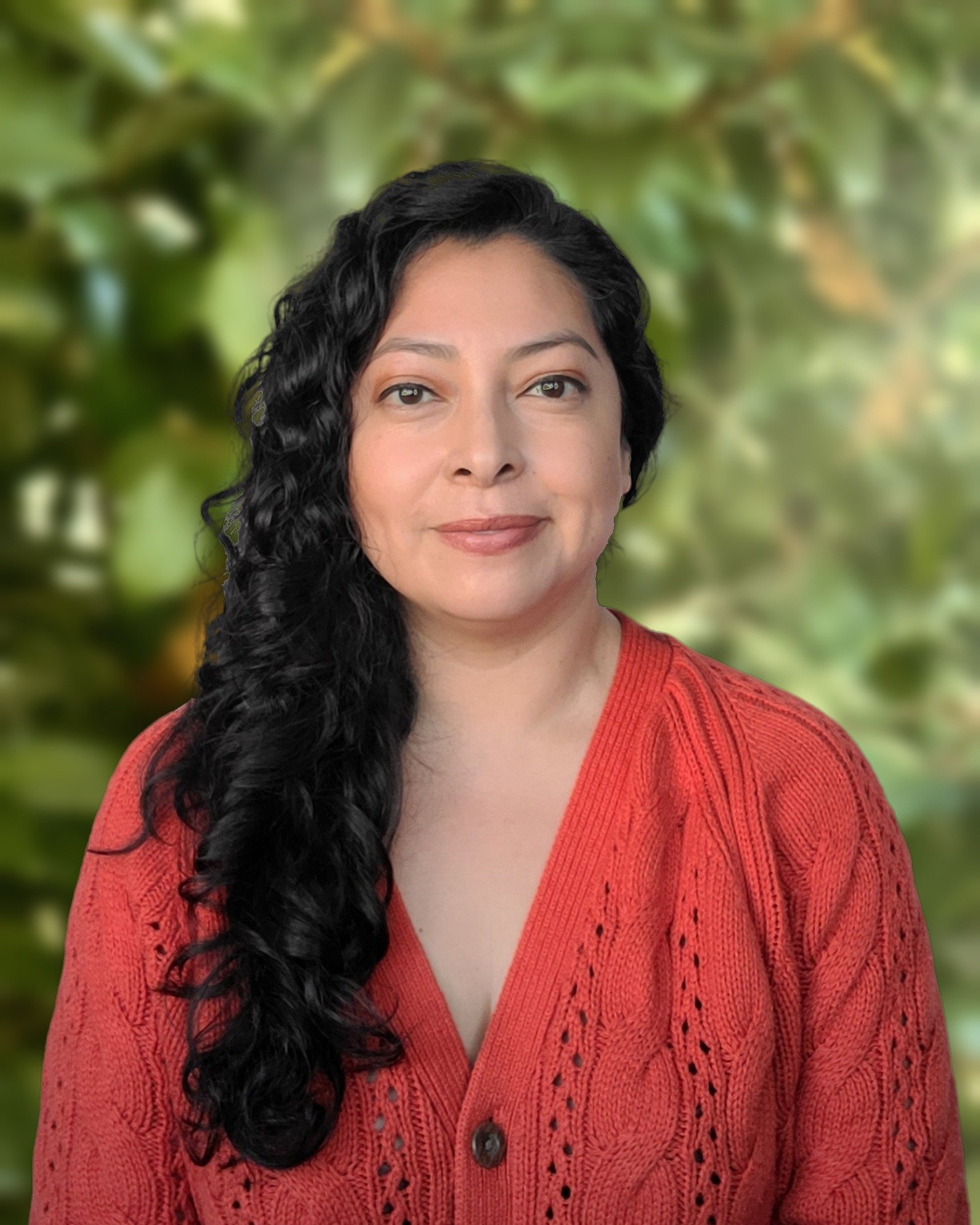
Jenny Ortega
Licensed Educational Psychologist #3766
Jenny brings 20 years of school psychology experience across Bay Area districts, from small private schools and charters to large urban schools, along with deep knowledge of special education law. Raised speaking Spanish and English, she focuses on how cultural and linguistic differences shape learning and welcomes complex cases.

Lauren Taylor
Licensed Educational Psychologist #4948
Lauren is a Licensed Educational Psychologist and credentialed school psychologist who trained at Teachers College, Columbia University and has supported students and families in public schools in California and Arizona. She looks beyond test results to each child’s strengths, interests, and everyday experiences, and turns what she learns into clear explanations and practical next steps.
Assessment Is Only the Beginning
One of the biggest advantages of working with Mind by Design is that your child’s evaluation findings don’t have to travel to a different practice to become an action plan.
When our assessment reveals needs in areas like reading, our literacy specialists can begin working with your child using structured, speech to print methods built directly from the evaluation data. When speech and language concerns surface, our SLPs already understand the full cognitive and academic picture. When executive function is part of the story, your child’s coach starts with the context of every recommendation in the report. When social emotional needs come up, your child’s therapist is already looped in.
Your evaluator stays connected to your child’s support team. Everyone works from the same foundation. And when progress happens or needs change, the team adjusts together.