


A Thoughtful, Comprehensive Approach
Autism testing at Mind by Design is designed to understand how your child experiences the world, including how they communicate, process sensory information, navigate social situations, and handle change and routine. We look at social communication, restricted and repetitive behaviors, sensory processing, and how these patterns interact with learning, emotional regulation, and daily functioning.
Autism assessment at Mind by Design can be completed as a standalone evaluation focused specifically on autism, or as part of a broader psychoeducational evaluation that also looks at your child’s broader cognitive profile, academic skills, language, attention, and executive function. Many families benefit from the broader approach because it helps us understand how autism fits into the full picture of who your child is, rather than looking at it in isolation. But we tailor the scope of the evaluation to your child’s referral concerns and what you’re hoping to learn.
We use a range of assessment tools and clinical observations tailored to your child’s age and presentation. Instruments such as the ADOS 2 and ADI R are used as needed based on your child’s profile and the referral questions, not as a default for every evaluation. Our goal is to gather the information that will be most meaningful for understanding your child and building the right plan.
Our approach is neurodiversity affirming. We view autism as a difference in how the brain processes information, not as a deficit. A diagnosis, when appropriate, is a tool for accessing support, building understanding, and helping your child and family navigate the world in a way that honors who they are.

Is an Autism Evaluation Right for Your Child?
Families seek autism evaluations for many reasons, and the signs can look very different from one child to the next. You might be considering testing if your child has difficulty reading social cues, making eye contact, or understanding the unspoken rules of conversation and play. Maybe they have intense interests in specific topics, prefer predictable routines, or become overwhelmed by certain sounds, textures, or environments.
Some children navigate school successfully but struggle deeply in social settings. Others seem fine socially on the surface but are exhausting themselves to keep up with expectations that don’t come naturally to them. You might have noticed that your child plays differently than their peers, communicates in ways that feel unique, or responds to sensory experiences more intensely than other children.
Autism can also co occur with ADHD, anxiety, learning disabilities, and language differences. If your child has already been diagnosed with one of these and you feel like there’s something more going on, an autism evaluation can help clarify the full picture.
What to Expect During Autism Testing
Phase 01
Before Testing Begins
We conduct a thorough parent interview to understand your child’s developmental history, your current concerns, and the specific questions you’re hoping to answer. We also gather input from teachers and any other professionals who work with your child.
Phase 02
During the Evaluation
Your child works with a licensed educational psychologist or clinical psychologist across multiple sessions or a singular session if it’s an ASD only assessment. Assessment includes direct observation, standardized measures of social communication and behavior, cognitive and academic testing, and clinical interviews. We select specific tools based on your child’s age and presentation. The evaluation is structured but flexible, and our evaluators are experienced at creating a comfortable environment for children who may be anxious or sensory sensitive.
Phase 03
After Testing Is Complete
Your evaluator writes a comprehensive report that explains what we observed, how the assessment data connects, and whether an autism diagnosis is appropriate. The report includes specific, practical recommendations for support at school, at home, and in the community, all written through a strengths based, neurodiversity affirming lens.
Phase 04
Your Feedback Session
We walk through the report together and explain every finding. If an autism diagnosis is part of the picture, we talk about what it means, what doors it opens for services and accommodations, and how to talk about it with your child in a way that’s affirming and empowering.
Phase 05
What Happens After the Report
If your child needs support with social communication, emotional regulation, executive function, academic skills, or navigating the school system, our team can help. We provide therapy, executive function coaching, speech and language therapy, academic support, IEP consulting, behavior coaching, and parent coaching, all informed by your child’s evaluation findings.
Your Child’s Evaluators
Autism evaluations at Mind by Design are conducted by our licensed educational psychologists and clinical psychologists, each of whom has direct experience assessing autism across a range of ages and presentations. Our evaluators use a neurodiversity affirming framework, and several members of our team are also trained in specialized autism diagnostic tools including the ADOS 2 and ADI R. When your child’s referral questions call for these tools, we’ll match your child with an evaluator who has the right training to use them.
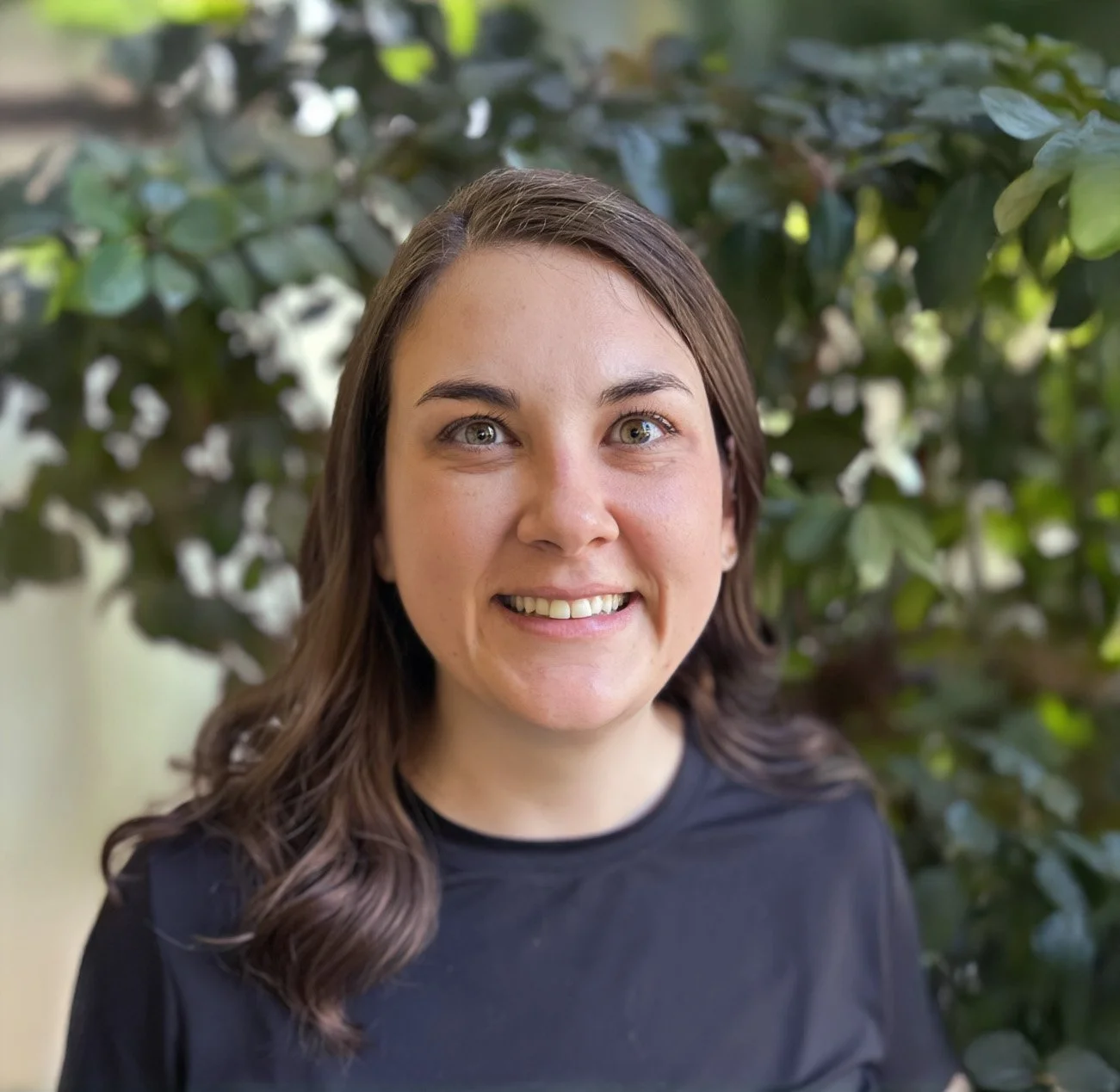
Bethanie Sheaffer
Licensed Educational Psychologist #3657, Certificate of Advanced Graduate Study (CAGS), Nationally Certified School Psychologist (NCSP), Board Certified School Neuropsychologist (ABSNP)
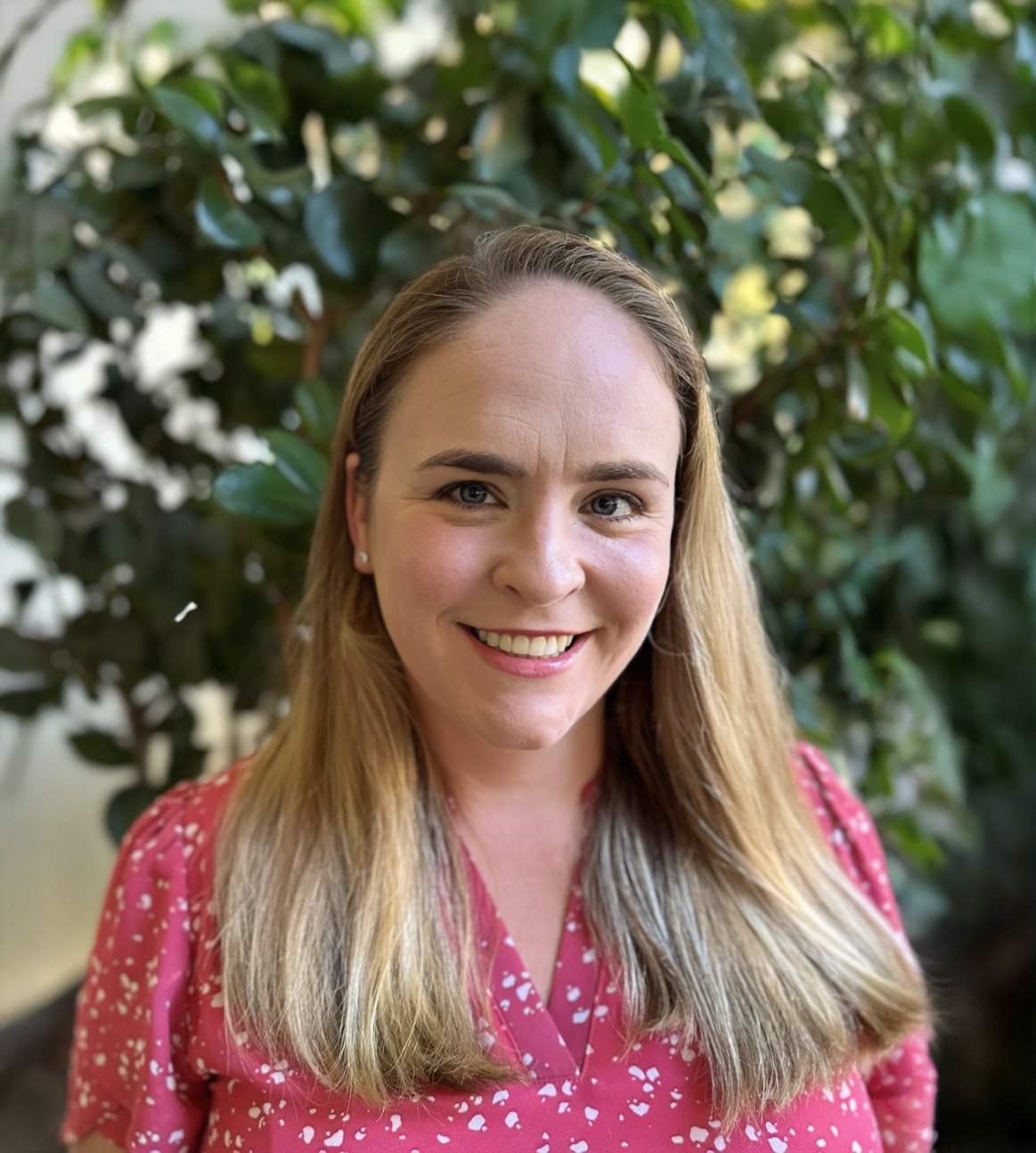
Erin Cunning
Licensed Educational Psychologist #3643, Master of Arts (MA), Certificate of Advanced Graduate Studies (CAGS), Nationally Certified School Psychologist (NCSP)

Christina Reilly
Licensed Educational Psychologist #4038, Licensed Marriage and Family Therapist #145096, Nationally Certified School Psychologist (NCSP)
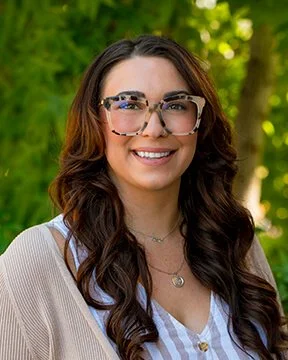
Claire Baldal
California Licensed Educational Psychologist LEP #4927
Over the past six years, Claire has worked as a school psychologist in both public and independent school settings, partnering with students, families, and educators to understand each child's unique learning profile. She emphasizes clear, actionable reports designed for families to use, not to sit in a file.
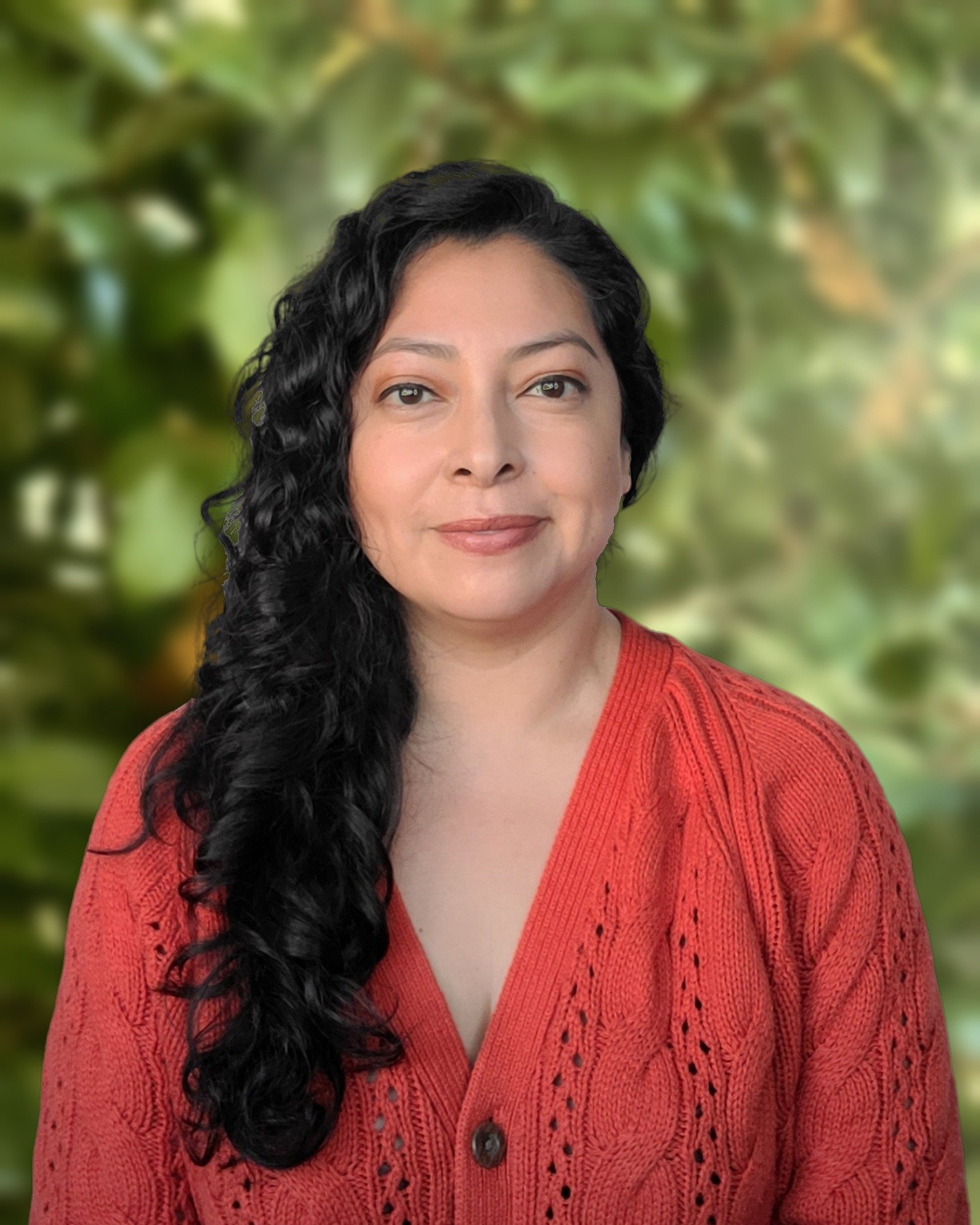
Jenny Ortega
Licensed Educational Psychologist #3766
Jenny brings 20 years of school psychology experience across Bay Area districts, from small private schools and charters to large urban schools, along with deep knowledge of special education law. Raised speaking Spanish and English, she focuses on how cultural and linguistic differences shape learning and welcomes complex cases.
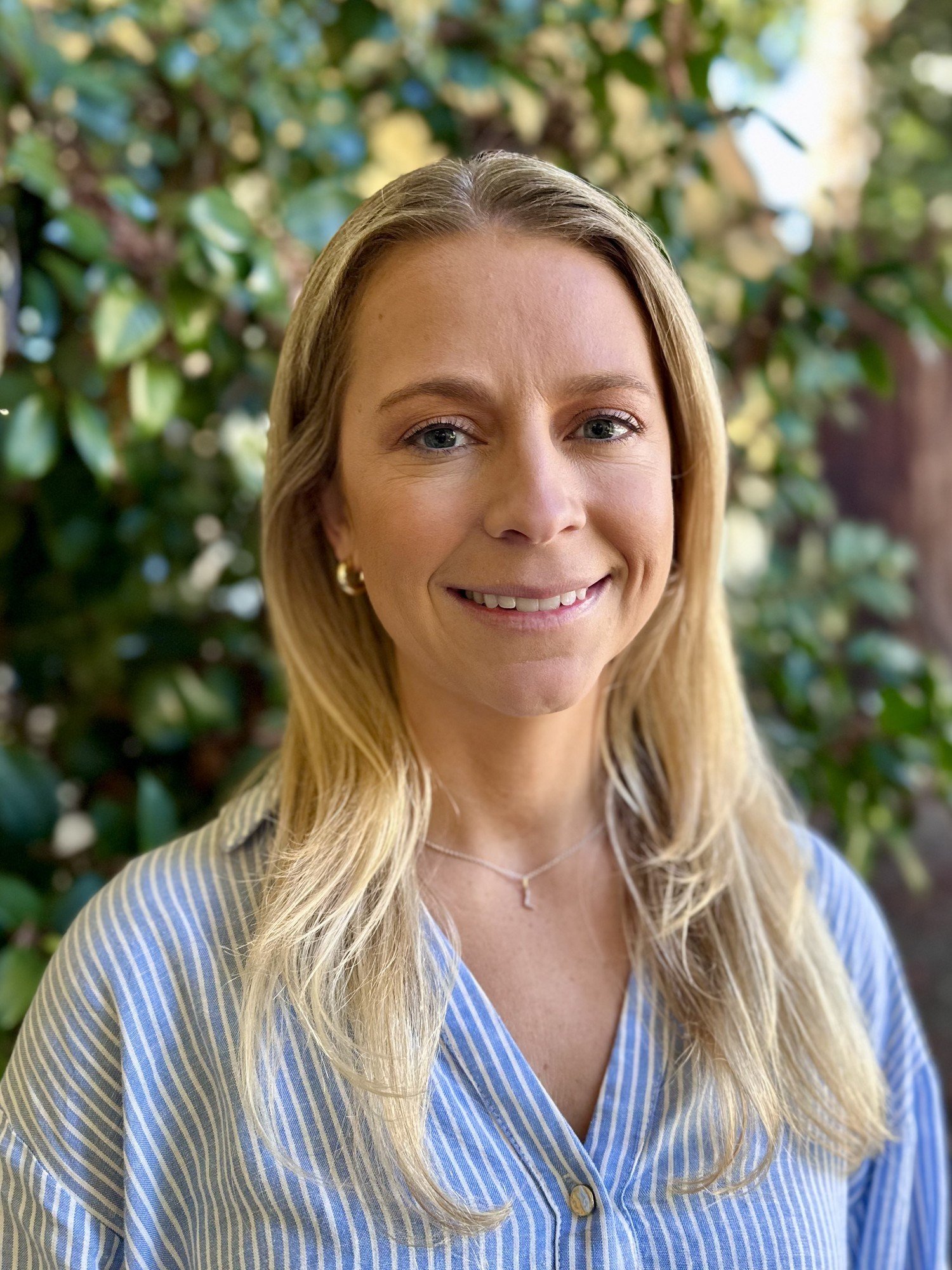
Lauren Taylor
Licensed Educational Psychologist #4948
Lauren is a Licensed Educational Psychologist and credentialed school psychologist who trained at Teachers College, Columbia University and has supported students and families in public schools in California and Arizona. She looks beyond test results to each child’s strengths, interests, and everyday experiences, and turns what she learns into clear explanations and practical next steps.
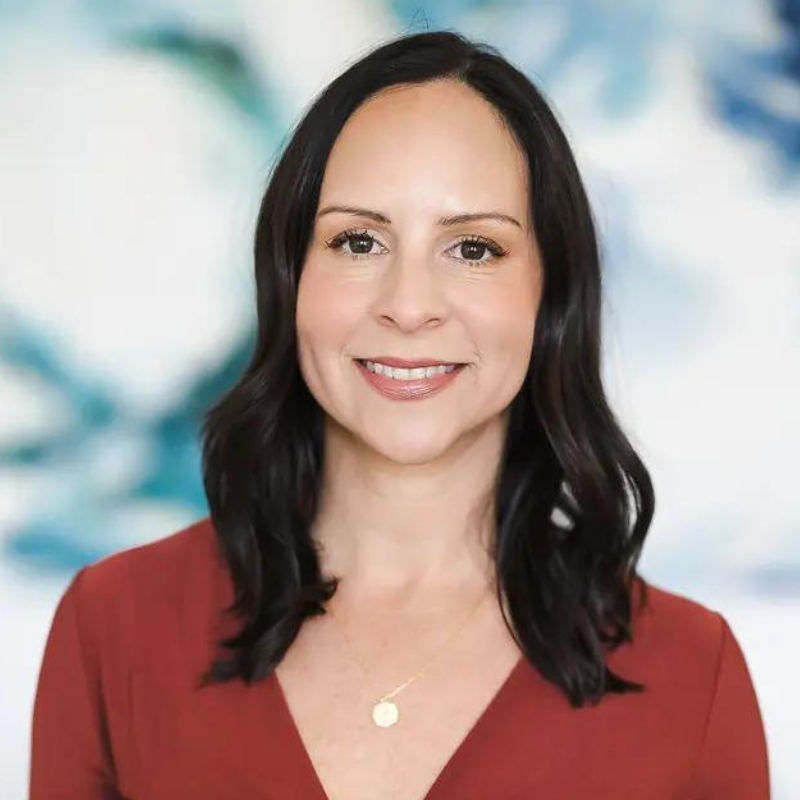
Jana Parker
CEO & Founder
Jana empowers both students and their parents with tools and support, and considers herself a wellness coach for education. Through assessment, her goal is to answer families' questions about how their child learns and provide recommendations and strategies to help them thrive.
Understanding Is the First Step. Support Is What Comes Next.
An autism diagnosis opens doors, but what matters most is what happens after. At Mind by Design, your child’s evaluator works alongside our therapists, coaches, speech language pathologists, and IEP consultants so that every support recommendation in the report can become part of a real, coordinated plan. Our BCBAs, including Kendra Holmes, bring years of experience helping families navigate behavioral challenges. And because therapy and coaching are available directly within our team, children and families processing a new diagnosis can begin that work without delay. The team is already in place.