


More Than a Reading Test
Dyslexia testing at Mind by Design goes well beyond checking whether your child can read grade level passages. We look at the underlying cognitive and language processes that drive reading: phonological awareness, rapid naming, working memory, language processing, and more. Understanding where the breakdown is happening in the reading process tells us exactly what kind of intervention your child needs and why traditional tutoring approaches may not have worked.
Dyslexia is assessed as part of a comprehensive psychoeducational evaluation. That means we’re also looking at your child’s broader cognitive profile, attention, executive function, and social emotional well being to understand how dyslexia fits into the full picture of who they are as a learner. Some children with dyslexia also have ADHD, anxiety, or other factors that affect their learning, and identifying those connections early makes a significant difference in how we plan support.

Is Dyslexia Testing Right for Your Child?
You might be considering dyslexia testing if your child has always found reading harder than it seems to be for their classmates. Maybe they avoid reading out loud, guess at words instead of sounding them out, or can decode a word on one page and not recognize it on the next. Spelling might feel impossible, even for words they’ve practiced many times.
Some children with dyslexia are strong verbally but struggle as soon as information is on paper. Others were early talkers but hit a wall when formal reading instruction began. You may have noticed that your child works significantly harder than their peers to produce the same results, or that their reading comprehension lags behind even though they clearly understand the material when it’s read aloud.
Dyslexia can also show up in unexpected ways: slow copying from the board, reluctance to write, difficulty rhyming, trouble learning a second language, or fatigue after short reading tasks. If any of this sounds familiar, testing can provide the answers you need.
What to Expect During Dyslexia Testing
Phase 01
Before Testing Begins
We begin with a parent interview to understand your child’s reading history, your observations at home, and any previous evaluations or interventions. Teacher questionnaires and school records help us see the full academic picture.
Phase 02
During the Evaluation
Your child works one on one with a licensed educational psychologist or clinical psychologist over two to three sessions. We assess phonological processing, rapid automatized naming, orthographic processing, reading fluency, reading comprehension, spelling, writing, and the broader cognitive skills that support literacy. We also look at cognition, attention, memory, and language processing to understand whether other factors are contributing to reading difficulty.
Phase 03
After Testing Is Complete
Your evaluator writes a comprehensive report that identifies whether dyslexia is present, explains the specific processing patterns driving your child’s reading challenges, and provides targeted recommendations for intervention. If a clinical diagnosis of a specific learning disability in reading is appropriate, it’s included along with guidance on how to use it to access school accommodations and support services.
Phase 04
Your Feedback Session
We walk through everything together. You’ll understand not just whether your child has dyslexia, but exactly how it affects their reading, what type of intervention they need, and what accommodations will help them at school.
Phase 05
What Happens After the Report
This is where MBD’s integrated model makes the biggest difference. If your child is diagnosed with dyslexia, our literacy specialists can begin working with them using structured, speech to print methods (IMSE, EBLI, Orton Gillingham, UFLI, and more). Because our specialists are part of the same team as your child’s evaluator, the literacy intervention plan is built directly from the assessment data. No delay, no starting over with a new provider who doesn’t know the full story.
Your Child’s Evaluators
Dyslexia testing at Mind by Design is conducted by our licensed educational psychologists and clinical psychologists, each of whom has extensive experience identifying reading related learning disabilities across a wide range of profiles. When intervention is recommended, our literacy specialists provide structured literacy support using evidence based, speech to print methods (IMSE, EBLI, Orton Gillingham, UFLI, and more) designed specifically for children with dyslexia.
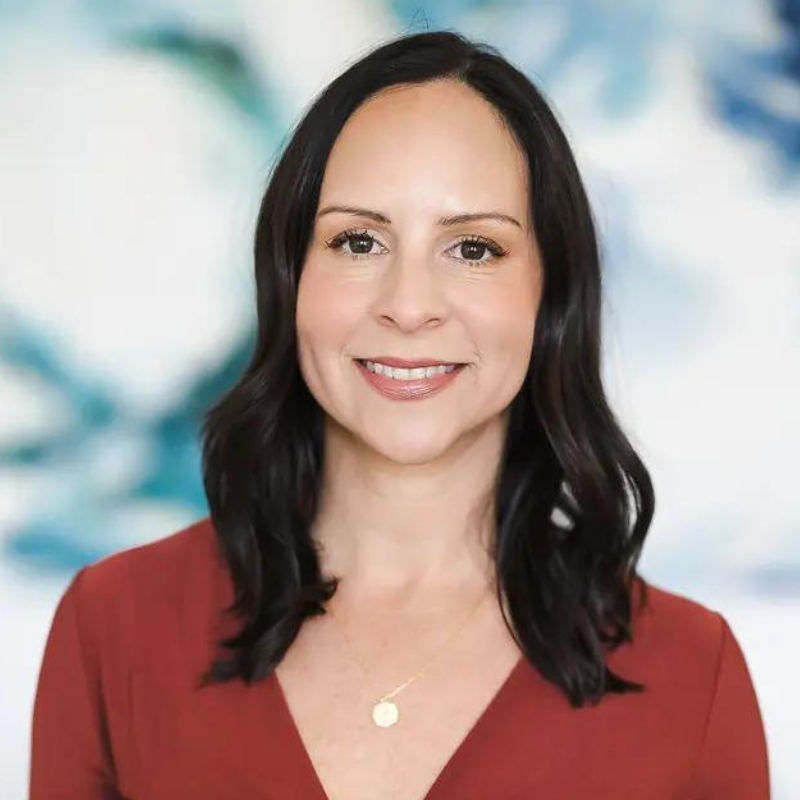
Jana Parker
Licensed Educational Psychologist #3272, Certified ADHD Professional (ADHD CCSP), Board Certified School Neuropsychologist (ABSNP)
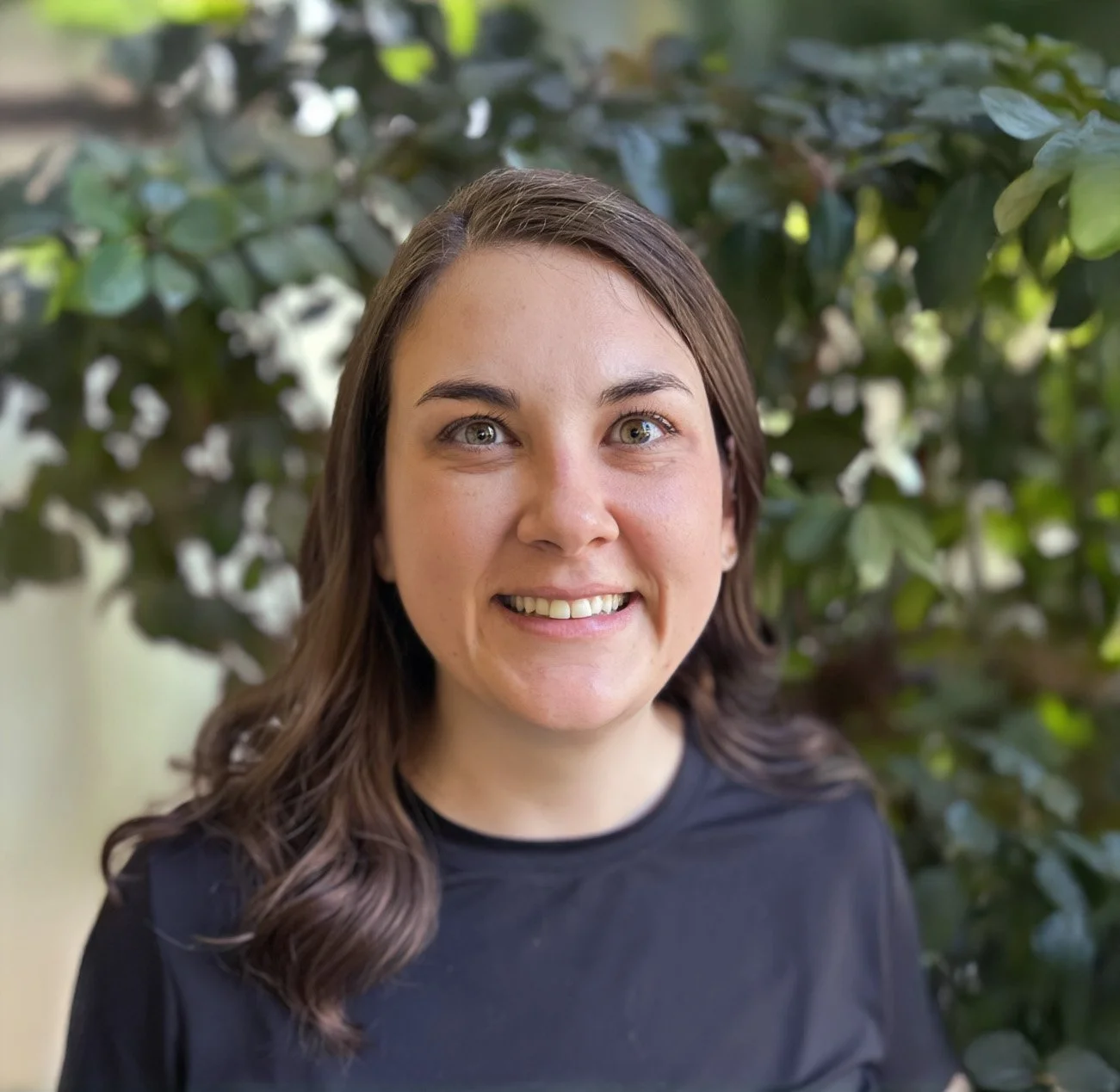
Bethanie Sheaffer
Licensed Educational Psychologist #3657, Certificate of Advanced Graduate Study (CAGS), Nationally Certified School Psychologist (NCSP), Board Certified School Neuropsychologist (ABSNP)
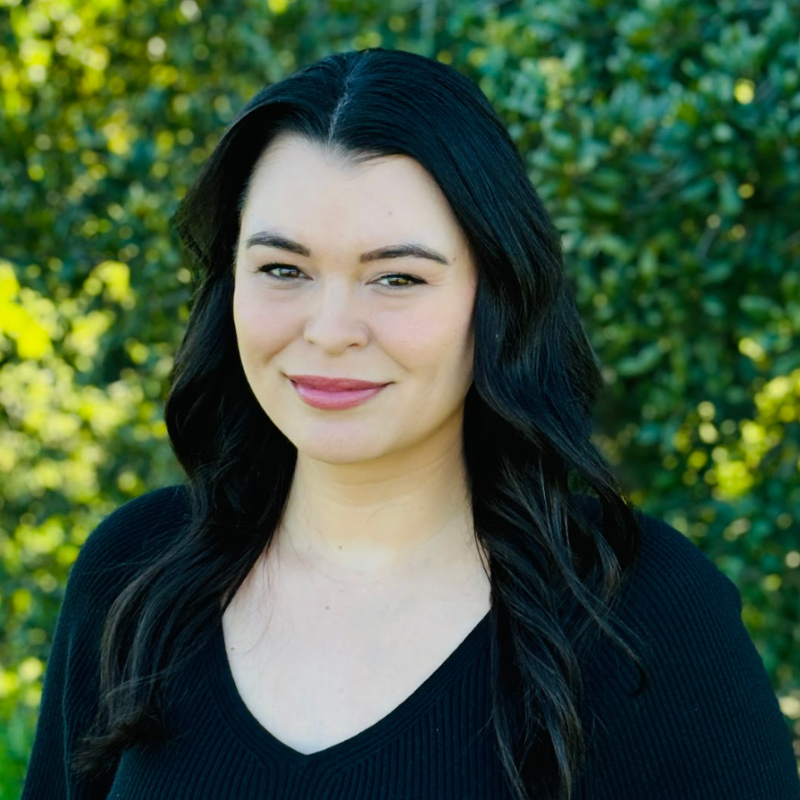
Christina Reilly
Licensed Educational Psychologist #4038, Licensed Marriage and Family Therapist #145096, Nationally Certified School Psychologist (NCSP)
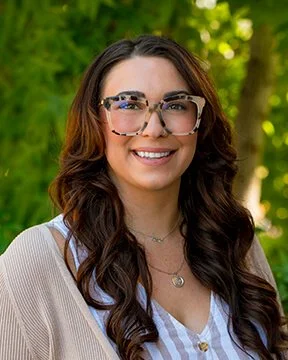
Claire Baldal
California Licensed Educational Psychologist LEP #4927
Over the past six years, Claire has worked as a school psychologist in both public and independent school settings, partnering with students, families, and educators to understand each child's unique learning profile. She emphasizes clear, actionable reports designed for families to use, not to sit in a file.
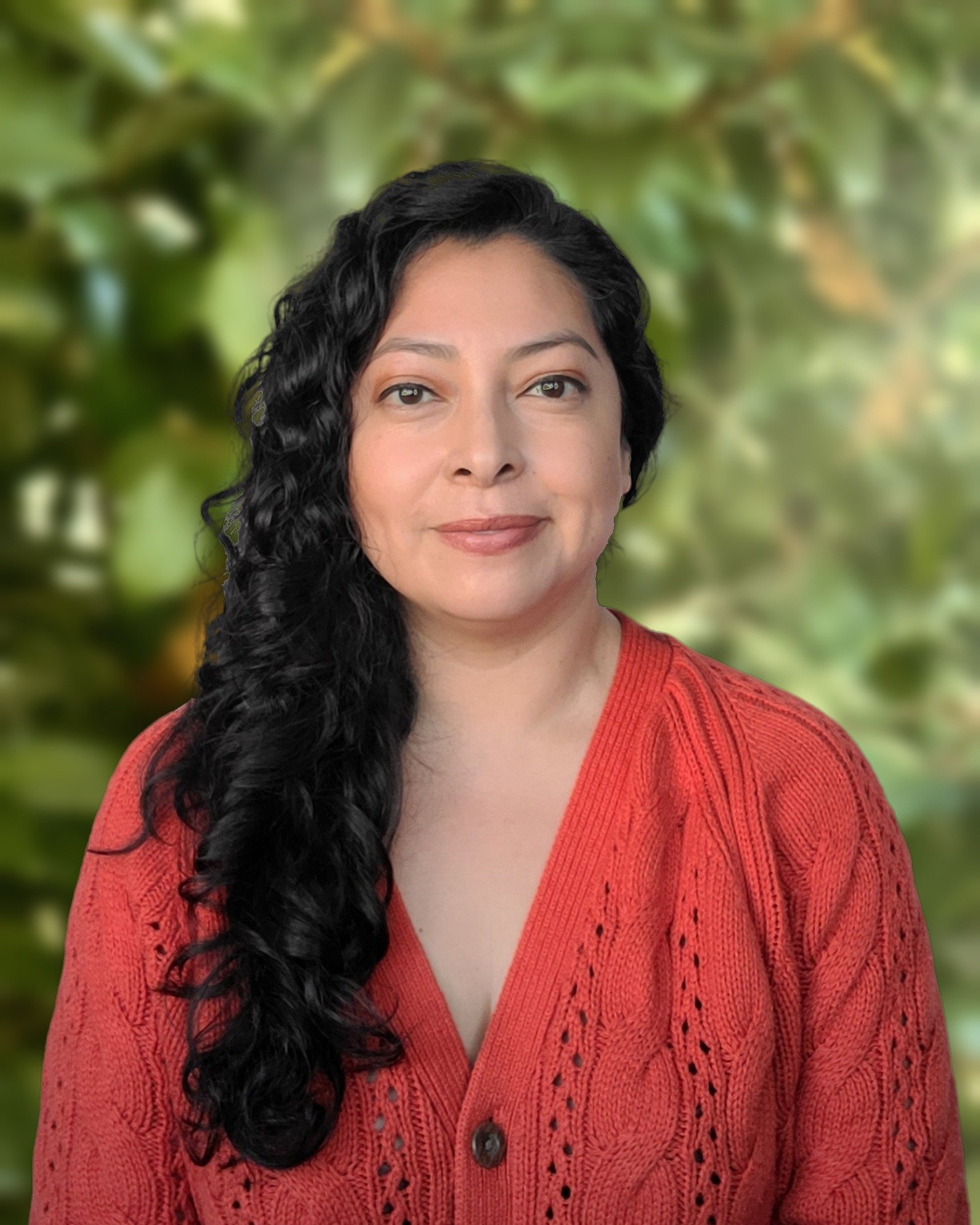
Jenny Ortega
Licensed Educational Psychologist #3766
Jenny brings 20 years of school psychology experience across Bay Area districts, from small private schools and charters to large urban schools, along with deep knowledge of special education law. Raised speaking Spanish and English, she focuses on how cultural and linguistic differences shape learning and welcomes complex cases.
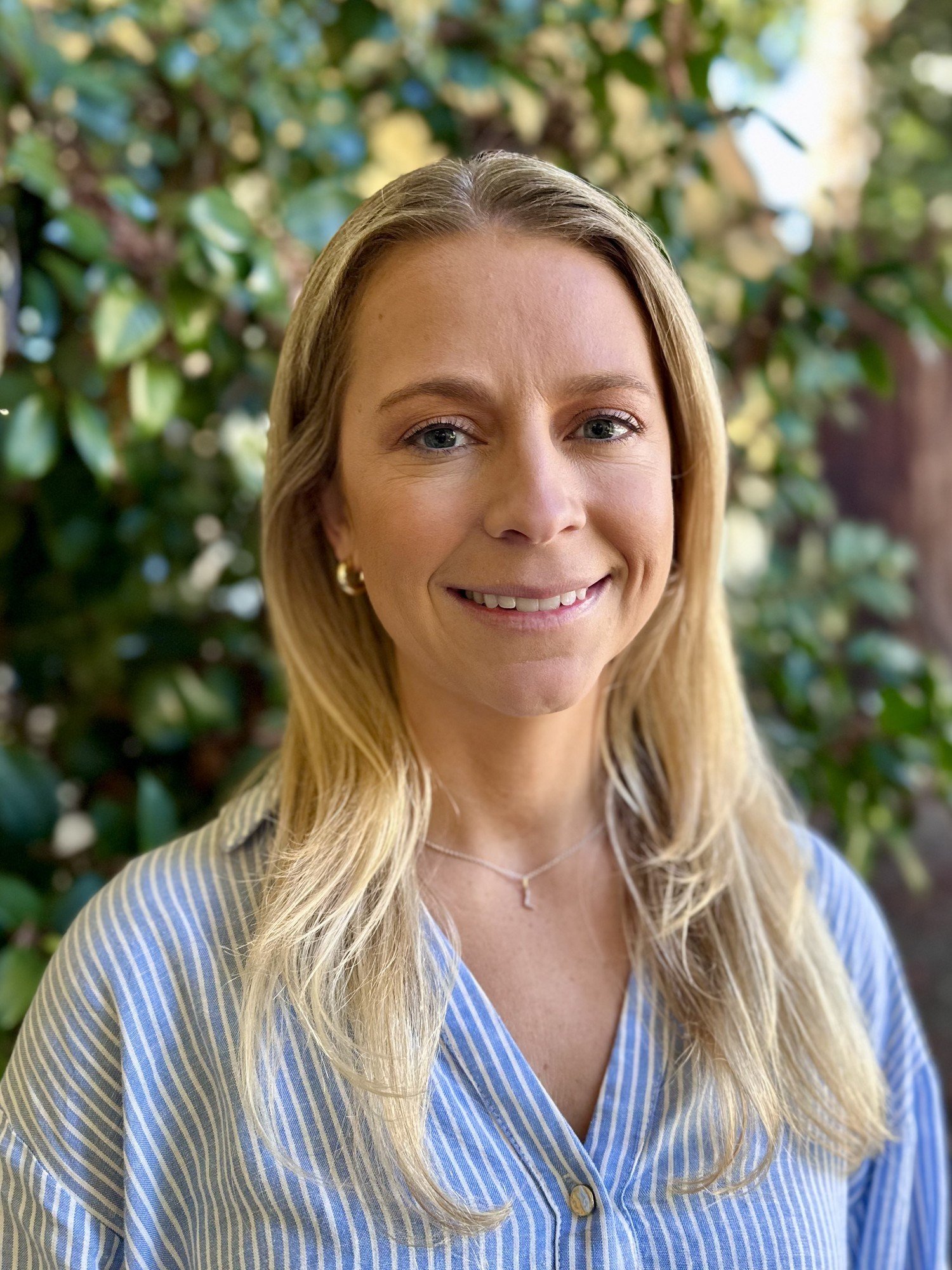
Lauren Taylor
Licensed Educational Psychologist #4948
Lauren is a Licensed Educational Psychologist and credentialed school psychologist who trained at Teachers College, Columbia University and has supported students and families in public schools in California and Arizona. She looks beyond test results to each child’s strengths, interests, and everyday experiences, and turns what she learns into clear explanations and practical next steps.
From Diagnosis to the Right Kind of Reading Support
Not all reading interventions are the same. Children with dyslexia need a structured, systematic, multisensory approach to literacy, not more of the same classroom instruction that wasn’t working. At Mind by Design, the evaluator who identifies your child’s reading profile works alongside the literacy specialists who will provide intervention. Our team knows the assessment data before the first session. Instruction is built around your child’s specific processing strengths and weaknesses, and adjusted as your child progresses. That direct connection between evaluation and intervention is what makes the difference.